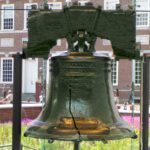
When you think of Boston, the echoes of history resonate through its cobblestone streets and historic landmarks. This city is often referred to as the Cradle of the Revolution, a title it earned through its pivotal role in the events leading up to the American Revolutionary War. As you walk along the Freedom Trail, you can almost feel the weight of the past pressing down on you.
The trail guides you through significant sites such as the Boston Massacre site and the Old North Church, where lanterns were famously hung to signal Paul Revere’s midnight ride. Each step you take is steeped in the fervor of rebellion and the quest for independence. Boston was not just a backdrop for revolutionary fervor; it was a hotbed of activism and dissent.
The Boston Tea Party, a bold act of defiance against British taxation, took place in its harbor in 1773. Imagine standing on the shores of Boston Harbor, where colonists disguised as Mohawk Indians dumped 342 chests of tea into the icy waters, protesting against what they deemed unfair taxation without representation. This act of rebellion galvanized support for independence and set the stage for further confrontations.
The city’s role in the revolution is not merely historical; it is a living narrative that continues to inspire those who seek freedom and justice.
Key Takeaways
- Boston, Massachusetts played a crucial role in the American Revolution as the “Cradle of the Revolution.”
- Philadelphia, Pennsylvania is known as the “Birthplace of American Independence” due to its significance in the founding of the nation.
- New York City, New York was a major battleground during the Revolution, with key events such as the Battle of Long Island and the British occupation.
- Charleston, South Carolina was the southern front of the war, with significant battles and the British occupation of the city.
- Yorktown, Virginia is remembered as the site of the final battle of the Revolution, where the British surrender effectively ended the war.
- Saratoga, New York is recognized as the turning point of the Revolution, with the American victory boosting morale and gaining support from foreign allies.
Philadelphia, Pennsylvania: The Birthplace of American Independence
As you journey south to Philadelphia, you arrive at what many consider the Birthplace of American Independence. This city is home to Independence Hall, where the Declaration of Independence was debated and adopted in 1776. Standing in this hallowed hall, you can almost hear the passionate arguments of the Founding Fathers as they debated the future of a nation.
The very air seems charged with the ideals of liberty and democracy that would shape a new world. You can envision Thomas Jefferson, Benjamin Franklin, and John Adams passionately discussing their vision for a free America. Philadelphia was not just a meeting place for revolutionary leaders; it was also a melting pot of ideas and cultures.
The city hosted the First and Second Continental Congresses, where delegates from various colonies gathered to strategize against British oppression. As you explore the cobblestone streets, you might stumble upon the Betsy Ross House, where legend has it that the first American flag was sewn. This city embodies the spirit of collaboration and unity that was essential for the colonies to stand together against a common foe.
Philadelphia’s rich history serves as a reminder that independence was not merely declared; it was fought for through dialogue, compromise, and shared sacrifice.
New York City, New York: The Battleground of the Revolution
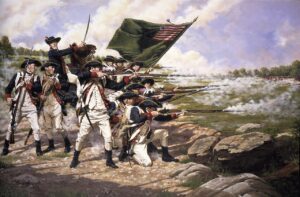
New York City played a crucial role as a battleground during the Revolutionary War, and as you navigate its bustling streets today, you can still sense the remnants of that tumultuous period. The city was strategically important due to its location and resources, making it a focal point for both British and American forces. In 1776, after a series of battles, New York fell into British hands, marking a significant turning point in the war.
You can imagine the chaos and uncertainty that enveloped the city as soldiers clashed and civilians sought refuge amidst the turmoil. The Battle of Brooklyn, one of the largest battles fought during the war, took place in what is now Brooklyn’s Prospect Park. As you stand in this serene park today, it’s hard to fathom that it was once a site of fierce combat.
The British forces outnumbered and outmaneuvered American troops, leading to a retreat that would become legendary in military history. New York City’s role as a battleground extended beyond mere military engagements; it became a symbol of resilience and determination for those fighting for independence. The scars of war may have faded over time, but they are etched into the very fabric of this vibrant metropolis.
Charleston, South Carolina: The Southern Front of the War
Traveling further south, you arrive in Charleston, South Carolina, a city that played a vital role on the southern front of the Revolutionary War.
As you stroll through its historic district, you can almost hear the whispers of soldiers preparing for battle and civilians grappling with the realities of war.
The Siege of Charleston in 1780 was one of the most significant events in this region, resulting in a devastating defeat for American forces. The city’s resilience during this tumultuous time is evident in its architecture and culture. You might find yourself captivated by the grand antebellum homes that stand as testaments to Charleston’s storied past.
The city’s role in the revolution was not limited to military engagements; it also served as a hub for revolutionary ideas and discussions among local leaders. The spirit of resistance thrived here, as citizens rallied together to support their cause despite facing overwhelming odds. Charleston’s legacy as a southern stronghold reminds us that the fight for independence extended far beyond New England.
Yorktown, Virginia: The Site of the Final Battle
As your journey through Revolutionary War history continues, you arrive at Yorktown, Virginia—the site of the final battle that ultimately led to American victory. In 1781, General Cornwallis and his British troops found themselves cornered by American forces led by General George Washington and French allies. Standing on the very grounds where this decisive battle took place, you can almost feel the tension in the air as soldiers prepared for what would become a turning point in history.
The Siege of Yorktown marked not only a military victory but also a symbolic triumph for those who had fought tirelessly for their freedom. The surrender at Yorktown effectively ended major combat operations in the colonies and paved the way for negotiations that would lead to independence. As you explore this historic site today, you might find yourself reflecting on the sacrifices made by countless individuals who believed in a cause greater than themselves.
The victory at Yorktown was not just about military strategy; it represented hope and determination in the face of adversity. This small town became synonymous with triumph and resilience, reminding us that even against overwhelming odds, victory is possible when united by a common purpose.
Saratoga, New York: The Turning Point of the Revolution

Your exploration of Revolutionary War history culminates in Saratoga, New York—a site often hailed as the turning point of the American Revolution. In 1777, American forces achieved a significant victory against British General Burgoyne’s army at Saratoga, which not only boosted morale but also convinced France to formally ally with the colonies. As you stand on these historic grounds today, you can sense the weight of this momentous occasion that shifted the tide in favor of American independence.
The battles fought at Saratoga were marked by strategic brilliance and unwavering determination from American troops. You might envision soldiers rallying together under difficult circumstances, driven by their desire for freedom and self-governance. This victory had far-reaching implications; it demonstrated to both allies and adversaries that the American cause was viable and worthy of support.
Saratoga serves as a powerful reminder that pivotal moments in history often arise from courage and unity in pursuit of a shared dream—a dream that ultimately led to the birth of a nation. In conclusion, your journey through these historic sites reveals not only the physical locations where battles were fought but also the spirit of resilience and determination that characterized the American Revolution. From Boston’s fervent activism to Philadelphia’s foundational debates, New York City’s chaotic battlegrounds to Charleston’s southern front struggles, Yorktown’s decisive victory to Saratoga’s turning point—each location tells a story of courage and sacrifice that shaped a nation.
As you reflect on these moments in history, you are reminded that freedom is not merely given; it is earned through struggle and unity among those who dare to dream of a better future.
If you’re interested in exploring American Revolutionary War locations on the East Coast, you may also enjoy reading about the LGBTQ experience in travel.