Montana, often referred to as the “Treasure State,” is home to some of the most breathtaking national parks in the United States. With its vast landscapes, towering mountains, and pristine wilderness, Montana offers a unique blend of natural beauty and outdoor adventure. The state’s national parks, including Glacier National Park and Yellowstone National Park, are not only significant for their stunning vistas but also for their rich biodiversity and cultural history.
These parks attract millions of visitors each year, eager to explore their rugged terrains, diverse ecosystems, and the stories that have shaped them. The allure of Montana’s national parks lies in their ability to transport visitors into a world where nature reigns supreme. From the jagged peaks of the Rocky Mountains to the serene lakes and rivers that meander through the valleys, each park presents a unique environment that captivates the senses.
The parks are not just places for recreation; they are sanctuaries for wildlife and havens for those seeking solace in nature. As we delve deeper into the wonders of these parks, we will uncover the natural marvels of Glacier National Park, the wildlife spectacles of Yellowstone, the outdoor adventures in Grand Teton National Park, and the historical significance of Little Bighorn Battlefield National Monument.
Key Takeaways
- Montana is home to several iconic national parks, each offering unique natural and cultural experiences.
- Glacier National Park features stunning landscapes, including glaciers, mountains, and pristine lakes.
- Yellowstone National Park is renowned for its diverse wildlife and geothermal features.
- Grand Teton National Park offers excellent hiking and a variety of outdoor recreational activities.
- Little Bighorn Battlefield National Monument preserves important historical and cultural heritage related to Native American and U.S. military history.
The Natural Wonders of Glacier National Park
Glacier National Park is often described as the crown jewel of the American Rockies, a title it has earned through its stunning landscapes and geological features. Established in 1910, this park encompasses over a million acres of rugged terrain, including 26 glaciers, more than 700 miles of hiking trails, and an array of ecosystems ranging from dense forests to alpine tundra. The park’s dramatic scenery is characterized by its towering peaks, deep valleys carved by ancient glaciers, and vibrant wildflower meadows that burst into color during the summer months.
One of the most iconic features of Glacier National Park is Going-to-the-Sun Road, a marvel of engineering that traverses the park from west to east. This scenic drive offers breathtaking views of glacial valleys, cascading waterfalls, and panoramic vistas that leave visitors in awe. Along the route, travelers can stop at various viewpoints to take in sights such as Logan Pass, where hikers can embark on trails leading to hidden lakes and stunning overlooks.
The park is also home to Lake McDonald, the largest lake in Glacier, known for its crystal-clear waters and striking reflections of the surrounding mountains. Kayaking or canoeing on this lake provides a serene way to experience the park’s beauty while immersing oneself in its tranquil environment.
Wildlife Watching in Yellowstone National Park
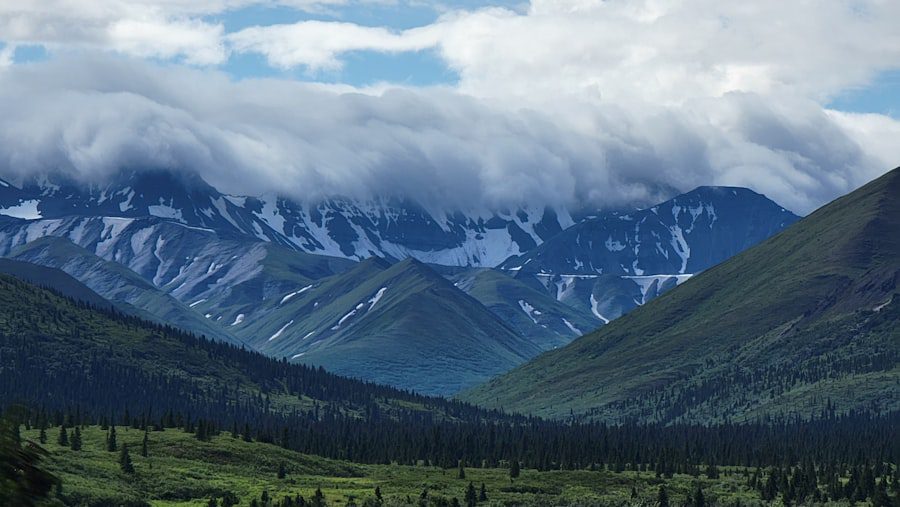
Yellowstone National Park, established in 1872 as the first national park in the world, is renowned for its geothermal features and diverse wildlife. Spanning across three states—Montana, Wyoming, and Idaho—Yellowstone is a sanctuary for an array of species, including bison, elk, wolves, and grizzly bears. The park’s varied habitats provide ideal conditions for wildlife watching, making it a prime destination for nature enthusiasts and photographers alike.
One of the most remarkable aspects of Yellowstone is its population of American bison, which roam freely across the park’s vast grasslands. Visitors can often witness these majestic animals grazing or migrating in herds, particularly in areas like Lamar Valley and Hayden Valley. The park is also home to a thriving population of elk, which can be seen during the early morning or late evening hours when they are most active.
For those hoping to catch a glimpse of wolves in their natural habitat, Lamar Valley is again a prime location; guided tours often provide opportunities to observe these elusive predators as they hunt or interact with their packs. In addition to large mammals, Yellowstone’s diverse ecosystems support a wide variety of bird species. Birdwatchers can delight in spotting everything from bald eagles soaring overhead to colorful songbirds flitting through the trees.
The park’s numerous lakes and rivers also attract waterfowl and shorebirds, making it a haven for avian enthusiasts. With its rich tapestry of wildlife and stunning landscapes, Yellowstone offers an unparalleled experience for those looking to connect with nature.
Hiking and Outdoor Activities in Grand Teton National Park
| Activity | Trail Length (miles) | Elevation Gain (feet) | Average Duration | Difficulty | Popular Season |
|---|---|---|---|---|---|
| Jenny Lake Loop | 7.5 | 400 | 3-4 hours | Moderate | Summer to Early Fall |
| Cascade Canyon Trail | 9.0 (round trip) | 1,200 | 5-6 hours | Moderate to Strenuous | Summer |
| Taggart Lake Trail | 3.4 | 400 | 2 hours | Easy to Moderate | Spring to Fall |
| Paintbrush Canyon Trail | 19.2 (loop) | 3,850 | 10-12 hours | Strenuous | Summer |
| Moose-Wilson Road Wildlife Viewing | Varies | Minimal | 1-3 hours | Easy | Spring to Fall |
| Climbing Grand Teton | Varies | 7,000+ | 2-3 days | Expert | Summer |
Grand Teton National Park is a paradise for outdoor enthusiasts, offering a plethora of hiking trails that cater to all skill levels. The park’s namesake peaks rise dramatically from the valley floor, creating a stunning backdrop for various recreational activities. With over 200 miles of trails winding through its pristine wilderness, visitors can explore everything from easy lakeside strolls to challenging backcountry hikes that lead to breathtaking vistas.
One of the most popular hikes in Grand Teton is the Cascade Canyon Trail, which begins at Jenny Lake and ascends into the heart of the Teton Range. This trail offers hikers stunning views of cascading waterfalls and towering granite cliffs while providing opportunities to spot wildlife along the way. For those seeking a more challenging adventure, the hike to the summit of Grand Teton itself is an exhilarating experience that rewards climbers with panoramic views from one of the highest points in the range.
The ascent requires technical climbing skills and proper gear but is considered one of the most rewarding challenges for experienced mountaineers. In addition to hiking, Grand Teton National Park offers a variety of outdoor activities such as kayaking on Jackson Lake or fly fishing in its pristine rivers. The park’s diverse landscapes provide ample opportunities for photography, with sunrise and sunset casting magical light on the mountains and lakes.
Wildlife viewing is also abundant here; visitors may encounter moose grazing near water sources or black bears foraging in the forests. Whether one seeks solitude on a quiet trail or an adrenaline rush from climbing steep peaks, Grand Teton National Park delivers an unforgettable outdoor experience.
The Cultural and Historical Significance of Little Bighorn Battlefield National Monument
Little Bighorn Battlefield National Monument holds profound cultural and historical significance as it commemorates one of the most famous battles between Native American tribes and U.S. military forces. The site marks the location of the Battle of Little Bighorn, fought on June 25-26, 1876, where Lieutenant Colonel George Armstrong Custer and his troops faced off against a coalition of Lakota Sioux and Northern Cheyenne warriors.
This battle is often referred to as Custer’s Last Stand due to its dramatic outcome and has become emblematic of the broader conflicts between Native Americans and settlers during westward expansion. The monument serves not only as a memorial to those who fought but also as an educational resource that highlights the complex history surrounding this pivotal event. Visitors can explore interpretive trails that guide them through key locations on the battlefield while providing insights into both Custer’s military strategy and the perspectives of Native American leaders such as Sitting Bull and Crazy Horse.
The visitor center features exhibits that delve into the cultural heritage of Native American tribes and their resistance against encroachment on their lands. In addition to its historical importance, Little Bighorn Battlefield National Monument serves as a place for reflection and remembrance. Annual events such as commemorative ceremonies draw attention to the ongoing legacy of this battle and its impact on Native American communities today.
By visiting this site, individuals gain a deeper understanding of not only a significant military engagement but also the broader narrative of resilience and cultural identity among Indigenous peoples.
Tips for Planning Your Visit to Montana’s National Parks
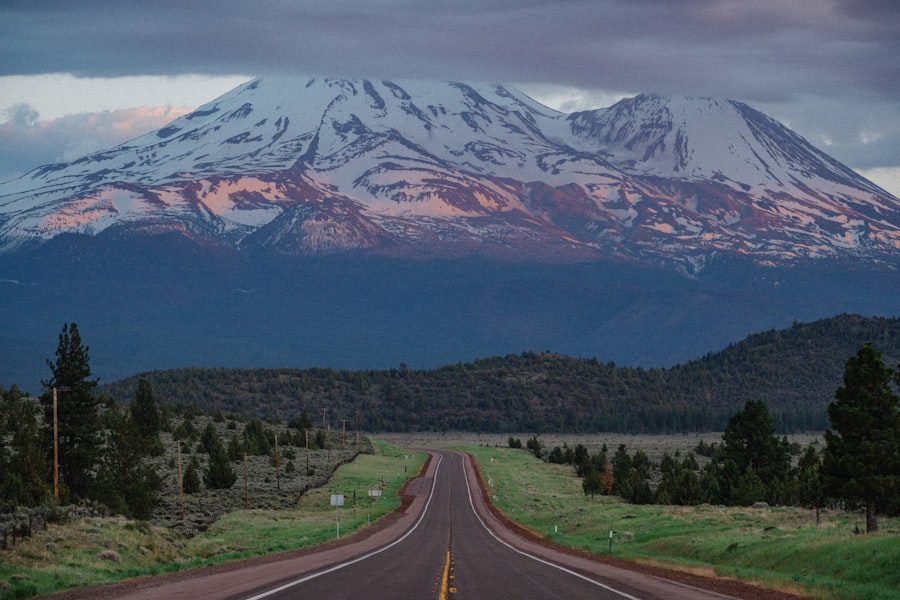
When planning a visit to Montana’s national parks, preparation is key to ensuring an enjoyable experience amidst nature’s grandeur. First and foremost, it’s essential to consider the timing of your visit. The summer months—June through September—are peak season due to milder weather conditions and accessibility to most trails and facilities.
However, this period also attracts larger crowds; early morning or late afternoon visits can help avoid congestion at popular sites. Accommodations vary widely within and around Montana’s national parks. While campgrounds offer an immersive experience under the stars, booking lodges or cabins well in advance is advisable if you prefer more comfort.
Many parks have limited lodging options that fill up quickly during peak season. Additionally, consider exploring nearby towns such as West Glacier or Gardiner for alternative lodging options that provide easy access to park entrances. Packing appropriately is crucial for enjoying outdoor activities comfortably.
Layered clothing is recommended due to fluctuating temperatures throughout the day; mornings can be chilly while afternoons may warm up significantly. Sturdy hiking boots are essential for navigating rugged trails, while bear spray should be carried when venturing into areas known for wildlife encounters. Lastly, familiarize yourself with park regulations regarding food storage and wildlife interactions to ensure both your safety and that of the animals inhabiting these beautiful landscapes.
By immersing oneself in Montana’s national parks—whether through hiking majestic trails in Glacier National Park or witnessing wildlife in Yellowstone—visitors can forge lasting memories while appreciating the natural wonders that define this remarkable region. Each park offers unique experiences that reflect both the beauty of nature and the rich history woven into Montana’s landscape.