Oregon is home to a diverse array of national parks that showcase the state’s rich natural heritage and stunning landscapes. These parks serve as vital sanctuaries for both wildlife and visitors, offering a glimpse into the unique ecosystems that define the region. From the rugged coastline to the volcanic peaks of the Cascade Range, Oregon’s national parks provide a variety of environments that attract nature enthusiasts, hikers, and families alike. The state’s commitment to preserving these natural spaces reflects a broader understanding of the importance of conservation and outdoor recreation.
The national parks in Oregon are not just places for leisure; they are also critical for education and research. Each park has its own distinct features and history, contributing to a greater understanding of the natural world. Visitors can engage with interpretive programs, guided tours, and educational exhibits that highlight the ecological significance of these areas. As more people seek to connect with nature, Oregon’s national parks stand as essential destinations for fostering appreciation and stewardship of the environment.
Key Takeaways
- Oregon’s national parks offer diverse and unique natural landscapes.
- The parks are home to rich wildlife and high biodiversity.
- Visitors can enjoy a variety of outdoor activities and recreational opportunities.
- Conservation and preservation are key priorities in managing these parks.
- Proper planning is essential for a safe and enjoyable visit to Oregon’s national parks.
The Unique Landscapes of Oregon’s National Parks
Oregon’s national parks are characterized by their varied landscapes, each offering a unique perspective on the state’s geological history. Crater Lake National Park, for instance, is renowned for its deep blue waters and caldera formed by a collapsed volcano. The lake is the deepest in the United States and is surrounded by steep cliffs, providing breathtaking views and opportunities for exploration. The park’s volcanic features are complemented by lush forests and diverse plant life, making it a prime location for both scientific study and recreational activities.
In contrast, the Oregon Dunes National Recreation Area presents a different kind of beauty with its expansive sand dunes along the coast. These dunes are shaped by wind and water, creating a dynamic landscape that changes over time. Visitors can hike, bike, or even ride ATVs on designated trails, experiencing the unique interplay between land and sea. The coastal environment also supports a variety of ecosystems, from wetlands to forests, showcasing the ecological diversity found within Oregon’s national parks.
Wildlife and Biodiversity in Oregon’s National Parks
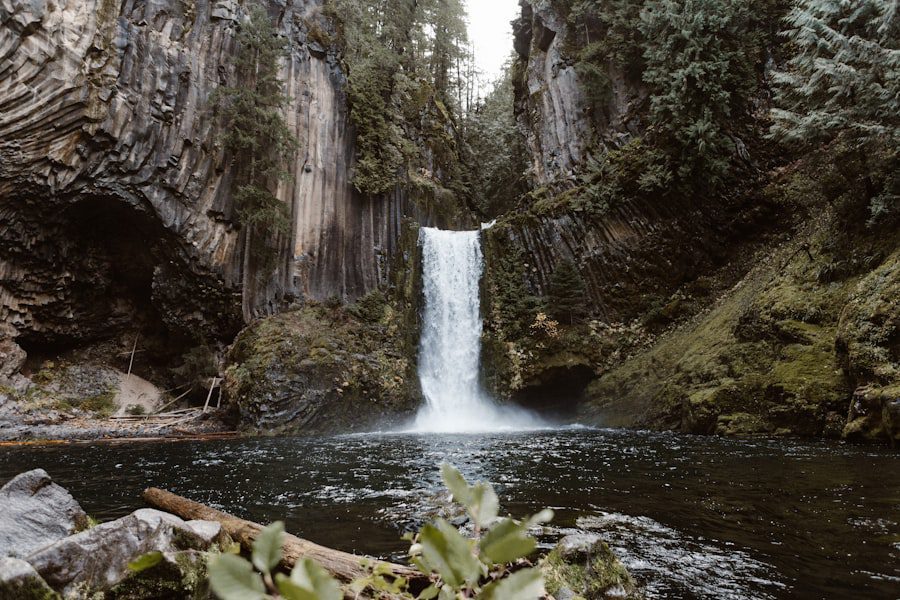
The wildlife found in Oregon’s national parks is as diverse as the landscapes themselves. Crater Lake National Park is home to species such as black bears, mule deer, and various bird species, including the elusive peregrine falcon. The park’s varied elevations create different habitats that support a wide range of flora and fauna. This biodiversity is crucial for maintaining ecological balance and offers visitors opportunities for wildlife observation.
Similarly, the Oregon Dunes National Recreation Area supports unique species adapted to its sandy environment. The area is home to several endemic plants and animals, including the Western snowy plover, a threatened shorebird that nests on the beaches. Conservation efforts in these parks aim to protect these species and their habitats, ensuring that future generations can experience the rich biodiversity that Oregon has to offer.
Outdoor Activities and Recreation in Oregon’s National Parks
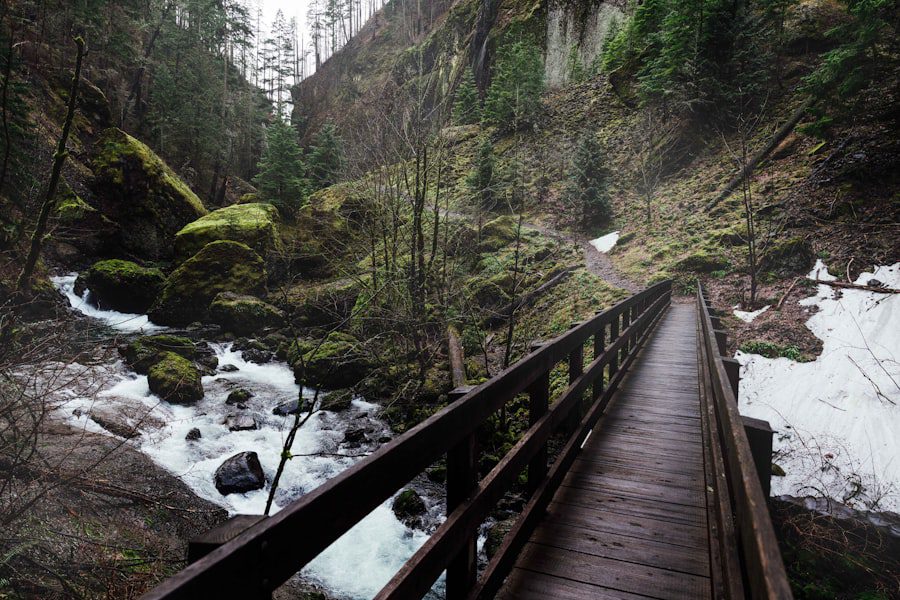
Oregon’s national parks provide numerous outdoor activities that cater to a variety of interests and skill levels. Hiking is one of the most popular activities, with trails ranging from easy walks to challenging backcountry routes. In Crater Lake National Park, visitors can explore trails that lead to stunning viewpoints or venture into more remote areas for solitude and natural beauty. The park also offers opportunities for winter sports such as snowshoeing and cross-country skiing when snow blankets the landscape.
In addition to hiking, the Oregon Dunes National Recreation Area offers unique recreational opportunities such as sandboarding and off-road vehicle riding. The expansive dunes provide an exciting playground for those looking to experience the thrill of gliding down sandy slopes. Kayaking and canoeing are also popular activities along the coastal rivers and lakes, allowing visitors to explore the waterways while enjoying the surrounding scenery. These diverse recreational options make Oregon’s national parks appealing destinations for outdoor enthusiasts.
Conservation and Preservation Efforts in Oregon’s National Parks
| National Park | Location | Established | Area (acres) | Annual Visitors (approx.) | Notable Features |
|---|---|---|---|---|---|
| Crater Lake National Park | Southern Oregon | 1902 | 183,224 | 700,000 | Deepest lake in the U.S., formed in a volcanic caldera |
| John Day Fossil Beds National Monument | North-central Oregon | 1975 | 14,000 | 50,000 | Fossil-rich layers, Painted Hills |
| Oregon Caves National Monument and Preserve | Southwestern Oregon | 1909 | 4,554 | 40,000 | Marble caves, guided tours |
Conservation efforts in Oregon’s national parks are essential for protecting the unique ecosystems and wildlife that inhabit these areas. Various organizations work collaboratively with park management to implement strategies aimed at preserving natural resources while promoting sustainable tourism. These efforts include habitat restoration projects, invasive species management, and educational programs designed to raise awareness about environmental issues.
One notable initiative involves community engagement in conservation activities. Volunteers often participate in clean-up events, tree planting, and wildlife monitoring programs. Such involvement not only helps maintain the parks but also fosters a sense of stewardship among visitors. By encouraging public participation in conservation efforts, Oregon’s national parks aim to create a culture of respect for nature that extends beyond park boundaries.
Planning Your Visit to Oregon’s National Parks
When planning a visit to Oregon’s national parks, it is important to consider factors such as timing, accommodations, and park regulations. Each park has its peak seasons, which can affect crowd levels and availability of services. For instance, summer months typically see an influx of visitors eager to explore hiking trails and participate in outdoor activities. Conversely, visiting during the shoulder seasons can provide a quieter experience with fewer crowds.
Accommodations vary from campgrounds within the parks to nearby hotels and lodges. Reservations are often recommended during peak seasons to ensure availability. Additionally, visitors should familiarize themselves with park regulations regarding wildlife interactions, campfire policies, and trail etiquette to ensure a safe and enjoyable experience. By planning ahead and respecting park guidelines, visitors can fully appreciate the natural beauty and recreational opportunities that Oregon’s national parks have to offer.
In conclusion, Oregon’s national parks are vital components of the state’s natural landscape, offering diverse environments that support rich biodiversity and provide numerous recreational opportunities. Through ongoing conservation efforts and community engagement, these parks aim to preserve their unique ecosystems for future generations while fostering a deeper connection between people and nature. Whether exploring the depths of Crater Lake or traversing the sandy expanses of the Oregon Dunes, visitors are sure to find inspiration in the beauty and complexity of these protected areas.