
Washington State contains four major national park units that preserve diverse ecosystems ranging from Pacific coastline to volcanic peaks in the Cascade Range. These protected areas encompass Olympic National Park, Mount Rainier National Park, North Cascades National Park, and Mount St. Helens National Volcanic Monument. Olympic National Park protects nearly one million acres of temperate rainforest, alpine terrain, and 73 miles of Pacific coastline. The park contains three distinct ecosystems: coastal areas with sea stacks and tide pools, temperate rainforests receiving over 140 inches of annual rainfall, and alpine regions with glaciated peaks reaching 7,980 feet at Mount Olympus. Mount Rainier National Park centers on the 14,411-foot stratovolcano Mount Rainier, which supports 26 named glaciers. The park encompasses 236,381 acres of old-growth forest, subalpine meadows, and volcanic landscapes. Mount Rainier is considered one of the most potentially hazardous volcanoes in the Cascade Range due to its extensive glacier system and proximity to populated areas. North Cascades National Park protects 504,781 acres of rugged mountain terrain containing over 300 glaciers and numerous peaks exceeding 8,000 feet in elevation. The park preserves portions of the North Cascade Range’s complex geology, which includes metamorphic, sedimentary, and igneous rock formations spanning hundreds of millions of years. Mount St. Helens National Volcanic Monument encompasses 110,300 acres surrounding the volcano that erupted catastrophically on May 18, 1980. The monument preserves the blast zone and provides opportunities to observe ecological succession and volcanic processes in an active geological setting. These park units protect habitat for diverse wildlife species and preserve cultural sites associated with indigenous peoples who have inhabited the region for thousands of years. The parks serve research, education, and recreation functions while maintaining ecosystem integrity across varied Pacific Northwest landscapes.
Key Takeaways
- Washington’s national parks offer diverse natural beauty and unique ecosystems.
- Olympic National Park is renowned for its lush rainforests and rugged coastline.
- Mount Rainier National Park features varied landscapes, including glaciers and alpine meadows.
- North Cascades National Park highlights rich history and cultural significance.
- Mount St. Helens National Volcanic Monument showcases volcanic activity and recovery.
The Natural Beauty of Olympic National Park
Olympic National Park is a stunning showcase of the Pacific Northwest’s natural beauty, encompassing over 922,000 acres of diverse ecosystems ranging from temperate rainforests to rugged coastlines. One of the park’s most striking features is its dramatic topography, which includes the Olympic Mountains that rise sharply from the surrounding landscape. These mountains are home to some of the most pristine wilderness areas in the United States, with glacial valleys, alpine meadows, and deep forests that are teeming with life.
The park’s varied climate creates a unique environment where visitors can experience everything from sunny beaches to misty rainforests in a single day. The Hoh Rain Forest is one of the park’s crown jewels, receiving an average of 140 inches of rainfall annually. This lush environment is characterized by towering Sitka spruce and western hemlock trees draped in vibrant green mosses and ferns.
Walking through this enchanting forest feels like stepping into another world, where sunlight filters through the dense canopy and the air is filled with the sounds of trickling streams and chirping birds. The park is also home to over 300 species of birds, including the elusive spotted owl and the majestic bald eagle. For those who venture to the coastline, the rugged cliffs and sandy beaches provide a stark contrast to the dense forests, offering breathtaking views of the Pacific Ocean and opportunities for tide pooling and wildlife observation.
The Diverse Landscapes of Mount Rainier National Park
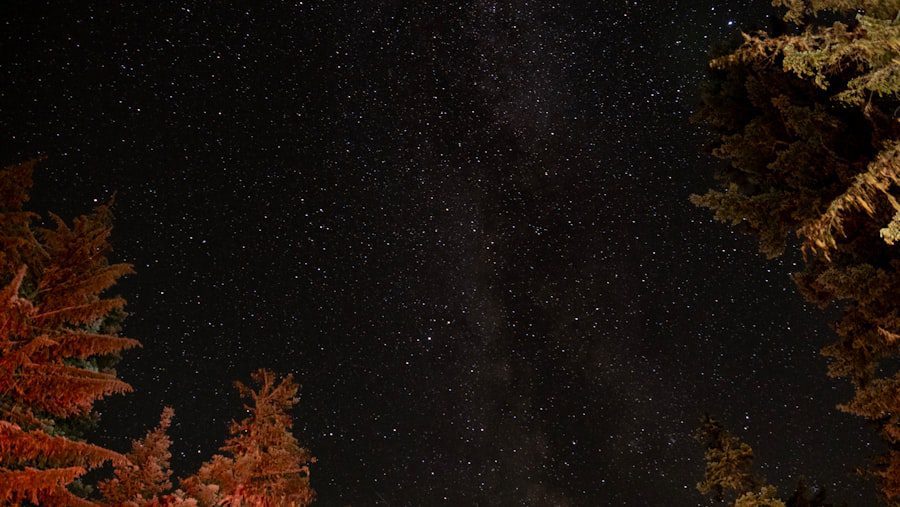
Mount Rainier National Park is perhaps best known for its iconic namesake peak, which stands at 14,411 feet and is an active stratovolcano. The mountain’s snow-capped summit is visible from miles away and serves as a stunning backdrop for a variety of outdoor activities year-round. The park encompasses over 368 square miles of diverse landscapes that include lush valleys, alpine meadows bursting with wildflowers, and ancient forests filled with towering trees.
The park’s unique geography creates distinct ecosystems that change dramatically with elevation, providing visitors with a wide range of experiences. One of the most popular areas within Mount Rainier National Park is Paradise, renowned for its breathtaking views and vibrant wildflower displays during the summer months. Visitors flock to this area to hike trails like the Skyline Trail, which offers panoramic vistas of the mountain and surrounding valleys.
In addition to its natural beauty, Paradise is also a hub for educational programs that highlight the park’s geology and ecology. As visitors ascend to higher elevations, they encounter subalpine meadows where colorful blooms such as lupine and Indian paintbrush create a stunning tapestry against the backdrop of glacial landscapes. The park’s glaciers are another significant feature; they are among the largest in the contiguous United States and play a crucial role in shaping the region’s hydrology.
Discovering the History and Culture of North Cascades National Park
North Cascades National Park is often referred to as the “American Alps” due to its dramatic mountain scenery and rugged terrain. This park is less visited than its counterparts but offers an unparalleled opportunity to explore both natural beauty and cultural history. The North Cascades are home to over 300 glaciers, deep valleys carved by ancient ice flows, and an extensive network of trails that wind through pristine wilderness.
The park’s remote location has preserved its wild character, making it an ideal destination for those seeking solitude and adventure. The cultural history of North Cascades National Park is rich and complex, with evidence of human habitation dating back thousands of years. Indigenous tribes such as the Skagit, Nooksack, and Methow have lived in harmony with this land for generations, relying on its resources for sustenance and spiritual practices.
Visitors can learn about this heritage through interpretive programs offered by park rangers and at visitor centers. The park also features several historic sites that highlight early exploration and settlement in the region. For example, the historic Ross Lake Resort provides insight into early tourism in the area while offering stunning views of Ross Lake itself.
Mount St. Helens National Volcanic Monument is perhaps one of the most fascinating examples of ecological recovery following a catastrophic event. The 1980 eruption of Mount St.
Helens was one of the most significant volcanic events in U.S. history, resulting in widespread destruction but also providing a unique opportunity to study ecological succession. The landscape was transformed overnight; forests were flattened, rivers were rerouted, and new landforms emerged from the ash and debris.
Today, visitors can witness firsthand how nature has reclaimed this area through various interpretive trails and educational programs. The monument features several distinct ecosystems that have developed since the eruption. Areas like the Johnston Ridge Observatory offer stunning views of the volcano while providing educational exhibits about volcanic activity and recovery processes.
The surrounding landscape has evolved into a mosaic of new growth forests, wetlands, and meadows filled with wildflowers that attract pollinators like bees and butterflies. Scientists continue to study this dynamic environment to understand how life can rebound after such a dramatic disturbance. The resilience of nature is on full display here; visitors can observe firsthand how life finds a way to thrive even in seemingly inhospitable conditions.
Tips for Visiting and Enjoying Washington’s National Parks
| National Park | Location | Established | Area (acres) | Annual Visitors (approx.) | Notable Features |
|---|---|---|---|---|---|
| Mount Rainier National Park | Washington | 1899 | 236,381 | 1,600,000 | Mount Rainier, wildflower meadows, glaciers |
| Olympic National Park | Washington | 1938 | 922,650 | 3,100,000 | Temperate rainforests, coastline, mountains |
| North Cascades National Park | Washington | 1968 | 504,614 | 40,000 | Rugged mountains, glaciers, alpine lakes |
When planning a visit to Washington’s national parks, preparation is key to ensuring an enjoyable experience. Each park has its own unique features and challenges, so understanding what to expect can enhance your adventure significantly. First and foremost, it’s essential to check weather conditions before your trip; Washington’s climate can be unpredictable, especially in mountainous regions where temperatures can vary widely between day and night.
Layering clothing is advisable to accommodate changing weather patterns while hiking or exploring. Additionally, consider visiting during off-peak times to avoid crowds and fully immerse yourself in nature. Weekdays or early mornings are often less busy than weekends or holidays.
Each park also offers various trails suited for different skill levels; whether you’re an experienced hiker or just looking for a leisurely stroll, there’s something for everyone. Be sure to carry plenty of water, snacks, and a map or GPS device to navigate your chosen routes effectively. Wildlife encounters are common in these parks; however, it’s crucial to observe animals from a safe distance and never feed them.
Familiarize yourself with local wildlife regulations to ensure both your safety and that of the animals you may encounter. Lastly, take time to engage with park rangers or participate in guided tours or educational programs offered at visitor centers; these experiences can deepen your understanding of the natural world around you while enhancing your appreciation for these remarkable landscapes. In summary, Washington’s national parks offer an incredible array of experiences that cater to nature enthusiasts, history buffs, and adventure seekers alike.
Each park presents its own unique story through its landscapes, ecosystems, and cultural heritage—making them essential destinations for anyone looking to explore the beauty of the Pacific Northwest.