
Texas is home to a remarkable array of national parks, each showcasing the state’s diverse landscapes and ecosystems. From the arid deserts of Big Bend National Park to the lush forests of Guadalupe Mountains National Park, these protected areas offer a glimpse into the varied natural beauty that Texas has to offer. The state’s national parks are not only significant for their scenic vistas but also for their unique geological features, which include mountains, canyons, rivers, and coastal areas. This diversity makes Texas a prime destination for nature enthusiasts and outdoor adventurers alike.
In addition to their varied landscapes, Texas’ national parks also represent a range of ecological zones. For instance, the coastal wetlands of Padre Island National Seashore contrast sharply with the rugged terrain of the Davis Mountains in Big Bend. Each park provides a distinct environment that supports different species of plants and animals, contributing to the overall biodiversity of the region. This variety is a testament to Texas’ geographical size and climatic differences, which allow for such a wide range of habitats within its borders.
Key Takeaways
- Texas’ national parks showcase a wide range of diverse landscapes and ecosystems.
- The parks are home to unique wildlife and plant species found only in Texas.
- Visitors can enjoy various outdoor activities such as hiking, camping, and birdwatching.
- Conservation efforts are actively in place to protect the natural and cultural resources of the parks.
- The parks hold significant cultural and historical importance, reflecting Texas’ rich heritage.
Unique Wildlife and Flora of Texas’ National Parks
The wildlife and flora found in Texas’ national parks are as diverse as the landscapes themselves. Each park is home to species that have adapted to its specific environment, making them unique ecosystems worth exploring. For example, Big Bend National Park is known for its rich biodiversity, including over 450 species of birds, numerous mammals, and a variety of reptiles and amphibians. The park’s remote location and varied habitats provide a sanctuary for many species that are not commonly found elsewhere.
In addition to its wildlife, Texas’ national parks boast an impressive array of plant life. The Chihuahuan Desert in Big Bend is characterized by cacti, yucca, and various desert wildflowers that bloom in the spring. Meanwhile, the subtropical climate of Padre Island supports coastal grasses and mangroves that are crucial for maintaining the health of marine ecosystems. The unique flora not only enhances the beauty of these parks but also plays a vital role in supporting the wildlife that inhabits them.
Recreational Activities and Outdoor Adventures in Texas’ National Parks

Texas’ national parks offer a wide range of recreational activities that cater to various interests and skill levels. Hiking is one of the most popular activities, with trails ranging from easy walks to challenging backcountry routes. In Big Bend National Park, for instance, the Chisos Mountains provide numerous trails that lead to stunning viewpoints and hidden waterfalls. Similarly, Guadalupe Mountains National Park features trails that traverse rugged terrain and lead to the highest peak in Texas, Guadalupe Peak.
In addition to hiking, visitors can engage in other outdoor adventures such as camping, birdwatching, and stargazing. Many parks have designated camping areas that allow visitors to immerse themselves in nature overnight. The clear skies in areas like Big Bend make it an excellent location for stargazing, as it is recognized as an International Dark Sky Park. Water-based activities are also popular in parks like Padre Island, where visitors can enjoy swimming, fishing, and kayaking along the coast.
Preservation and Conservation Efforts in Texas’ National Parks
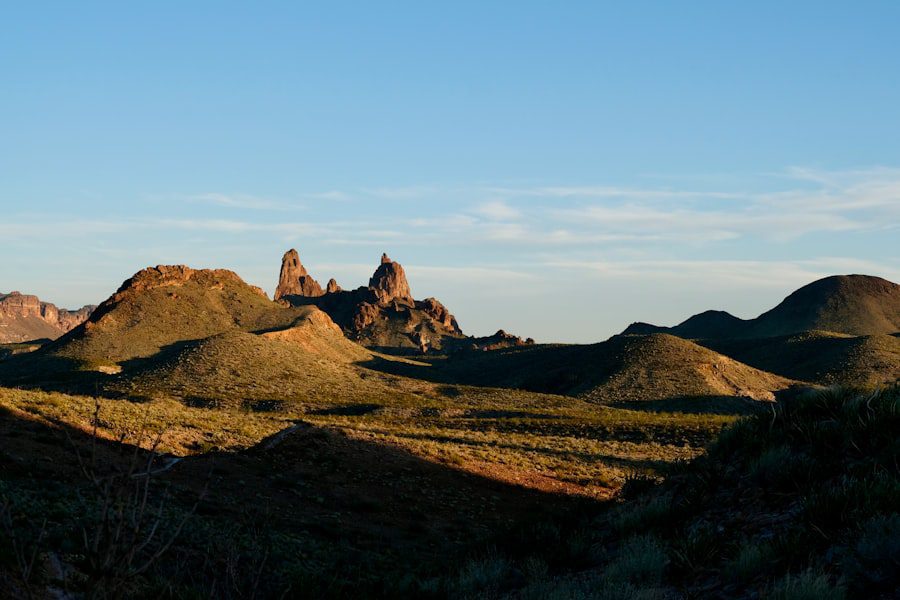
Preservation and conservation are critical components of managing Texas’ national parks. These areas are protected not only for their natural beauty but also for their ecological significance. Park management employs various strategies to ensure that ecosystems remain intact and that wildlife populations thrive. This includes habitat restoration projects, invasive species management, and educational programs aimed at raising awareness about conservation issues.
Collaboration with local communities and organizations plays a vital role in these efforts. Many parks engage volunteers in conservation activities such as trail maintenance, wildlife monitoring, and habitat restoration. These initiatives not only help preserve the parks but also foster a sense of stewardship among visitors and residents alike. By involving the community in conservation efforts, Texas’ national parks can maintain their ecological integrity while promoting sustainable tourism practices.
Cultural and Historical Significance of Texas’ National Parks
| National Park | Location | Area (acres) | Established | Annual Visitors (approx.) | Main Attractions |
|---|---|---|---|---|---|
| Big Bend National Park | West Texas | 801,163 | 1944 | 450,000 | Chisos Mountains, Rio Grande, Desert landscapes |
| Guadalupe Mountains National Park | West Texas | 86,367 | 1972 | 200,000 | Guadalupe Peak, McKittrick Canyon, Fossil Reef |
| Padre Island National Seashore | South Texas | 130,434 | 1962 | 500,000 | Beaches, Sea turtle nesting, Birdwatching |
Texas’ national parks are not only natural treasures but also sites of cultural and historical importance. Many parks contain archaeological sites that provide insight into the lives of Indigenous peoples who inhabited the region long before European settlers arrived. For example, the rock art found in Big Bend offers a glimpse into the cultural practices of ancient civilizations. These historical elements add depth to the visitor experience, allowing individuals to connect with the land on a more profound level.
In addition to Indigenous history, many parks also reflect the stories of early settlers and ranchers who shaped the landscape. The remnants of old homesteads and historic structures can be found throughout various parks, serving as reminders of Texas’ rich heritage. Educational programs and interpretive exhibits within the parks help visitors understand these historical contexts, enhancing their appreciation for both the natural environment and its cultural significance.
Tips for Visiting and Exploring Texas’ National Parks
When planning a visit to Texas’ national parks, preparation is key to ensuring an enjoyable experience. First and foremost, it is essential to check park websites for information on current conditions, trail closures, and any special events or programs that may be taking place during your visit. Each park has its own unique features and regulations, so familiarizing yourself with these details can enhance your trip.
Packing appropriately is also crucial for a successful outing. Visitors should consider the climate and terrain when selecting clothing and gear. Sturdy hiking boots, weather-appropriate clothing, plenty of water, and snacks are essential for day hikes. Additionally, bringing binoculars for wildlife viewing or a camera for capturing scenic vistas can enhance your experience in the parks. Lastly, being mindful of Leave No Trace principles will help preserve these natural spaces for future generations while ensuring that all visitors can enjoy their beauty responsibly.