
When you think of the East Coast of the United States, a vibrant tapestry of culinary traditions and flavors comes to mind. This region, stretching from Maine down to Florida, is a melting pot of cultures, each contributing to a rich food culture that reflects its history, geography, and the diverse communities that call it home. As you explore the East Coast’s food scene, you will discover a unique blend of indigenous ingredients, immigrant influences, and regional specialties that make dining here an unforgettable experience.
The East Coast is not just about food; it’s about stories and connections. Each dish tells a tale of the land and the people who inhabit it. From the bustling streets of New York City to the serene shores of Cape Cod, the culinary landscape is as varied as the landscapes themselves.
You will find that food is often a central part of social gatherings, celebrations, and even everyday life, making it an integral aspect of East Coast culture. As you delve deeper into this world, you will uncover the nuances that define East Coast cuisine and how they reflect the spirit of the region.
Key Takeaways
- East Coast food culture is a rich tapestry of traditions, flavors, and influences that have shaped the region’s culinary identity.
- Traditional East Coast dishes often feature fresh seafood, locally sourced produce, and a variety of spices and seasonings that reflect the region’s diverse cultural heritage.
- Influences on East Coast food culture range from indigenous ingredients and cooking techniques to the culinary traditions brought by European settlers and African slaves.
- Popular East Coast food festivals and events celebrate the region’s culinary heritage and showcase a wide array of dishes, drinks, and cooking demonstrations.
- East Coast food trends and innovations include a growing emphasis on sustainability, farm-to-table dining, and the fusion of traditional recipes with modern cooking techniques. Efforts to preserve and promote East Coast food culture are essential for ensuring that future generations can continue to enjoy the region’s unique culinary traditions.
Traditional East Coast Dishes and Ingredients
As you embark on your culinary journey through the East Coast, you will encounter a plethora of traditional dishes that showcase the region’s unique flavors. Seafood reigns supreme in many coastal areas, with dishes like clam chowder, lobster rolls, and crab cakes taking center stage. In New England, for instance, clam chowder is more than just a soup; it’s a comforting staple that warms you up on chilly days.
The creamy broth, filled with tender clams and potatoes, is a testament to the region’s rich maritime heritage. In addition to seafood, you will also find hearty dishes that reflect the agricultural bounty of the land. In the Mid-Atlantic states, for example, you might savor a classic cheesesteak sandwich or indulge in Maryland’s famous crab cakes.
These dishes not only highlight local ingredients but also tell stories of the communities that have perfected them over generations. The use of fresh produce, such as tomatoes and corn in summer salads or pumpkin in fall dishes, further emphasizes the connection between food and seasonality in East Coast cuisine.
Influences on East Coast Food Culture
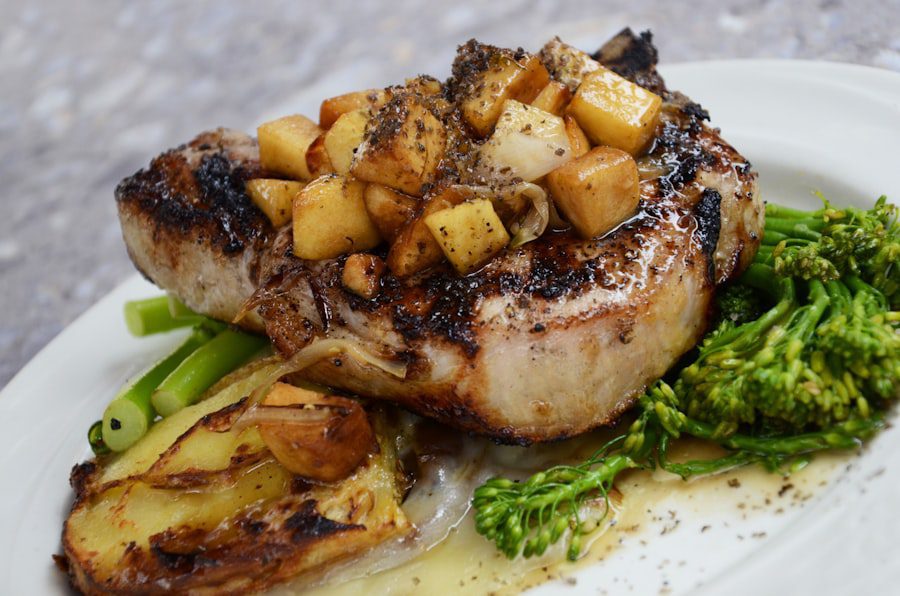
The East Coast’s food culture has been shaped by a myriad of influences over the years. The arrival of European immigrants brought new flavors and cooking techniques that have become integral to the region’s culinary identity. Italian, Irish, German, and Jewish communities have all left their mark on East Coast cuisine, introducing dishes like pizza, bagels, and pierogies that are now beloved by many.
As you explore these diverse influences, you will see how they have melded with local ingredients to create something uniquely East Coast. Moreover, the geographical diversity of the East Coast plays a significant role in shaping its food culture. From the rocky shores of Maine to the lush farmlands of Pennsylvania, each area offers distinct ingredients that influence local cooking styles.
The proximity to the Atlantic Ocean ensures an abundance of fresh seafood, while fertile valleys provide a wealth of fruits and vegetables. This interplay between land and sea creates a dynamic culinary landscape that continues to evolve as new influences emerge.
Popular East Coast Food Festivals and Events
As you immerse yourself in East Coast food culture, attending local food festivals can be an enriching experience. These events celebrate regional cuisine and bring together chefs, farmers, and food enthusiasts from all walks of life. For instance, the Maine Lobster Festival is a must-visit for seafood lovers.
Here, you can indulge in succulent lobster dishes while enjoying live music and local crafts. The festival not only showcases Maine’s culinary heritage but also fosters a sense of community among attendees. Another notable event is the New York City Wine & Food Festival, which attracts foodies from around the globe.
This festival features tastings, cooking demonstrations, and panel discussions led by renowned chefs and culinary experts. It’s an opportunity for you to learn about new trends in the food industry while savoring delicious bites from some of the best restaurants in the city.
East Coast Food Trends and Innovations
As you navigate through the evolving landscape of East Coast cuisine, you will notice several exciting trends and innovations shaping the way people eat. One prominent trend is the farm-to-table movement, which emphasizes sourcing ingredients directly from local farms. This approach not only supports local agriculture but also ensures that you are enjoying fresh, seasonal produce in your meals.
Additionally, there is a growing interest in fusion cuisine on the East Coast. Chefs are experimenting with blending traditional dishes with global flavors to create innovative culinary experiences.
For example, you might find a Korean BBQ taco or a sushi burrito at trendy eateries in urban centers like Boston or Philadelphia. This creative approach to cooking reflects the diverse cultural influences present in East Coast cities and showcases how food can be a canvas for artistic expression.
Preserving and Promoting East Coast Food Culture
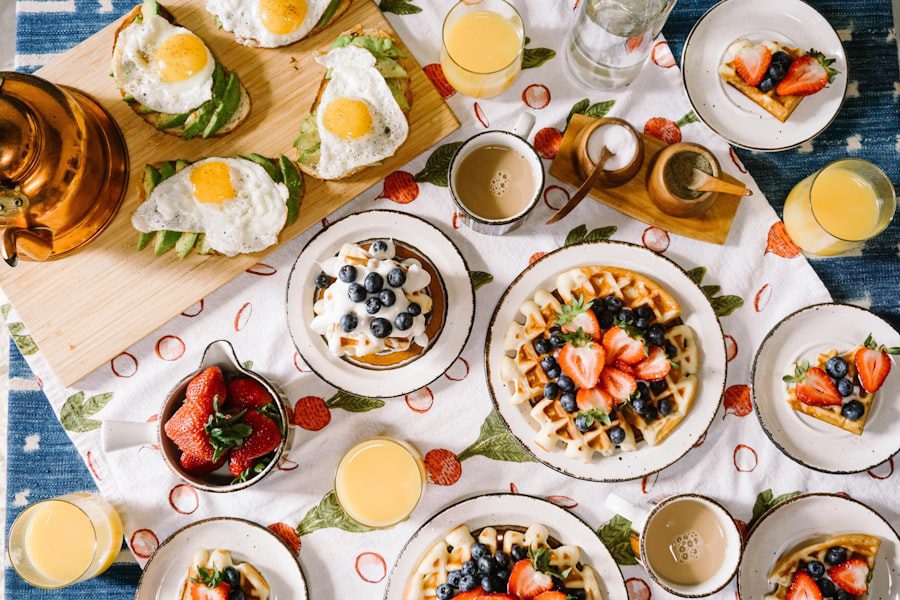
Promoting Local Food Heritage
Organizations dedicated to promoting local food heritage play a crucial role in this endeavor. They work tirelessly to educate communities about traditional cooking methods and ingredients while advocating for sustainable practices that protect local ecosystems.
Connecting with Local Farmers and Cuisine
Initiatives such as community-supported agriculture (CSA) programs encourage individuals to connect with local farmers and understand where their food comes from. By participating in these programs, you can support local agriculture while gaining insight into seasonal eating habits. Additionally, cooking classes and workshops focused on traditional recipes allow you to engage with East Coast cuisine on a deeper level, ensuring that these culinary traditions continue to thrive.
Preserving and Promoting Culinary Heritage
In conclusion, your journey through East Coast food culture reveals a vibrant world filled with diverse flavors and rich traditions. From traditional dishes that celebrate local ingredients to innovative trends that push culinary boundaries, there is much to explore and appreciate. By engaging with this culture—whether through festivals, dining experiences, or community initiatives—you contribute to preserving and promoting the unique culinary heritage of this remarkable region. So go ahead; dive into the flavors of the East Coast and savor every bite!
If you’re interested in exploring more unique food cultures, you should check out the article “Only in Philly: A Culinary Journey Through Philadelphia”. This article delves into the rich history and diverse culinary scene of Philadelphia, offering insights into the city’s iconic dishes and must-visit restaurants. It’s a fascinating read for anyone looking to immerse themselves in East Coast food culture.
FAQs
What is East Coast food culture?
East Coast food culture refers to the culinary traditions and practices found in the eastern region of the United States, including states such as New York, Pennsylvania, New Jersey, Maryland, and others. It encompasses a wide range of cuisines influenced by the diverse immigrant populations and local ingredients found in the area.
What are some popular dishes in East Coast food culture?
Some popular dishes in East Coast food culture include New England clam chowder, Philadelphia cheesesteak, Maryland crab cakes, New York-style pizza, and Boston cream pie. These dishes often reflect the region’s seafood, dairy, and agricultural products.
What are some key influences on East Coast food culture?
East Coast food culture has been influenced by a variety of factors, including the culinary traditions of early European settlers, Native American ingredients and cooking techniques, African American contributions to Southern cuisine, and the influx of immigrant populations from countries such as Italy, Ireland, and Eastern Europe.
How has East Coast food culture evolved over time?
East Coast food culture has evolved over time as a result of changing demographics, technological advancements in food production and transportation, and the influence of global food trends. This has led to the fusion of traditional East Coast dishes with new flavors and ingredients.
What role does seafood play in East Coast food culture?
Seafood plays a significant role in East Coast food culture, particularly in regions such as New England and the Mid-Atlantic. Lobster, clams, oysters, and fish are commonly featured in dishes such as clam bakes, lobster rolls, and seafood stews, showcasing the region’s access to fresh and diverse seafood.