
New York is often celebrated for its bustling cities, iconic landmarks, and vibrant culture, but it also boasts some stunning national parks that showcase the state’s natural beauty. From the rugged peaks of the Adirondacks to the serene landscapes of the Catskills, these parks offer a refreshing escape from urban life. Each park has its own unique charm, featuring diverse ecosystems, breathtaking vistas, and tranquil settings that invite visitors to explore and unwind.
The beauty of New York’s national parks is not just in their landscapes but also in their seasonal transformations. In spring, wildflowers bloom, painting the meadows with vibrant colors. Summer brings lush greenery and opportunities for hiking and camping. Autumn transforms the foliage into a spectacular display of reds, oranges, and yellows, making it a prime time for leaf-peeping. Even winter has its allure, with snow-covered trails perfect for skiing and snowshoeing. Each season offers a different perspective on the parks, encouraging repeat visits to experience their ever-changing beauty.
Key Takeaways
- New York’s National Parks offer stunning natural beauty, from the iconic Niagara Falls to the serene landscapes of Fire Island.
- Visitors can enjoy a wide range of activities in New York’s National Parks, including hiking, birdwatching, and water sports.
- New York’s National Parks are home to diverse wildlife, including white-tailed deer, bald eagles, and seals.
- The history and culture of New York’s National Parks reflect the state’s rich heritage, from the Revolutionary War sites to the legacy of the Erie Canal.
- When exploring New York’s National Parks, be sure to pack essentials like water, sunscreen, and insect repellent, and always follow Leave No Trace principles.
- Conservation and preservation efforts in New York’s National Parks are crucial for protecting the state’s natural and cultural resources for future generations.
Activities and Attractions in New York’s National Parks
When it comes to activities, New York’s national parks are a playground for outdoor enthusiasts. Hiking is perhaps the most popular activity, with trails ranging from easy walks to challenging climbs. The Adirondack Park alone features over 2,000 miles of hiking trails, including the famous High Peaks region, where adventurers can tackle some of the highest mountains in the state. For those looking for a more leisurely experience, many parks offer scenic drives and picnic areas where families can relax and enjoy the surroundings.
In addition to hiking, visitors can engage in a variety of recreational activities. Fishing is a favorite pastime in many of the parks, with numerous lakes and rivers teeming with fish. Kayaking and canoeing are also popular on the tranquil waters of places like the Thousand Islands National Park. For winter sports enthusiasts, the parks provide opportunities for skiing, snowboarding, and snowmobiling. Each park has its own set of attractions that cater to different interests, ensuring that there’s something for everyone.
Wildlife and Nature in New York’s National Parks
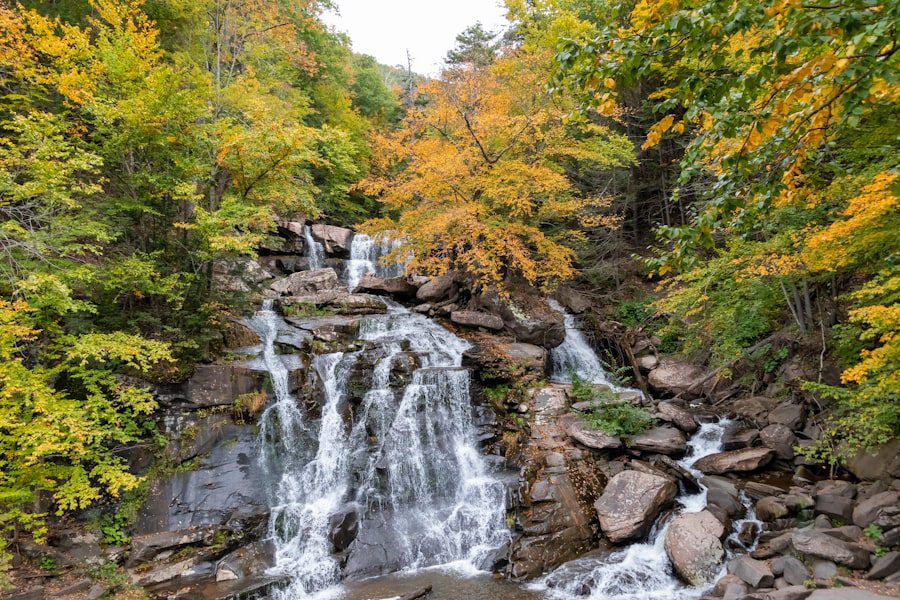
The wildlife in New York’s national parks is as diverse as the landscapes themselves. From majestic deer roaming through the forests to elusive bobcats hiding in the underbrush, these parks are home to a wide array of species. Birdwatchers will find plenty to marvel at, with over 300 species of birds recorded in some areas. The chance to spot a bald eagle soaring overhead or hear the call of a loon on a quiet lake adds an extra layer of excitement to any visit.
The natural ecosystems within these parks are equally impressive. The Adirondacks feature a mix of boreal forests, wetlands, and alpine zones, each supporting unique plant and animal life. The Catskills are known for their rich biodiversity, including rare plant species and vibrant wildflower displays. Exploring these ecosystems not only provides a chance to connect with nature but also highlights the importance of conservation efforts aimed at preserving these habitats for future generations.
History and Culture of New York’s National Parks
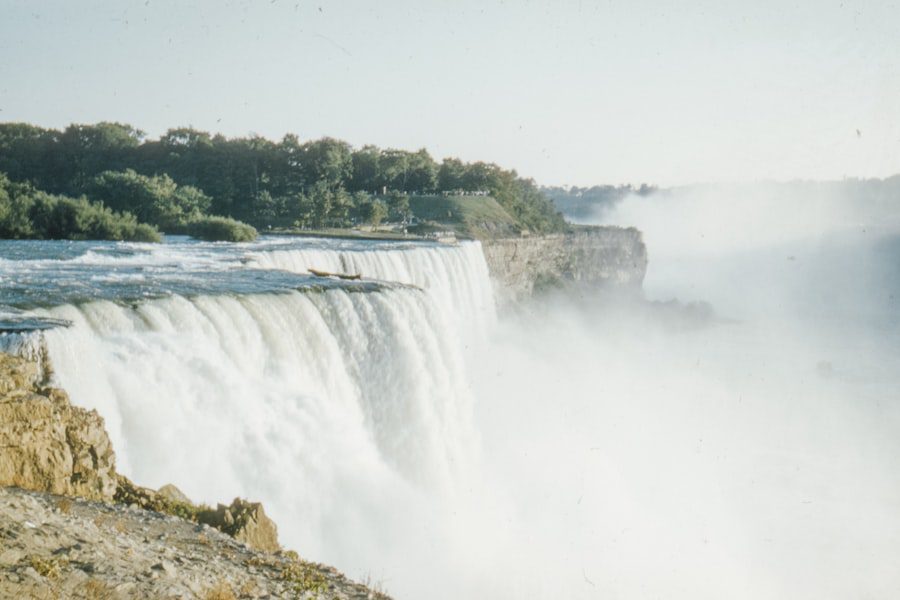
New York’s national parks are steeped in history and culture that enrich the visitor experience. The Adirondack Park was established in 1892 as a response to industrialization and deforestation, making it one of the oldest parks in the United States. Its creation marked a significant shift towards conservation and preservation of natural spaces. Visitors can explore historical sites within the park, such as old logging camps and remnants of early settlements that tell the story of human interaction with this vast wilderness.
Cultural events also play a significant role in many parks. The Catskill Park has long been associated with artists and writers who found inspiration in its landscapes. The Hudson River School of painting emerged from this region, capturing its beauty on canvas. Today, visitors can participate in art workshops or attend cultural festivals that celebrate local heritage and traditions. These experiences provide a deeper understanding of how nature has influenced art and culture throughout history.
Tips for Exploring New York’s National Parks
| Park Name | Location | Visitors (2020) | Size (acres) |
|---|---|---|---|
| Gateway National Recreation Area | New York City | 6,070,009 | 26,607 |
| Statue of Liberty National Monument | New York Harbor | 3,303,886 | 58 |
| Saratoga National Historical Park | Stillwater | 248,358 | 3,392 |
Planning a visit to New York’s national parks can enhance your experience significantly. First and foremost, it’s essential to check the weather conditions before heading out. The weather can change rapidly in mountainous areas, so dressing in layers is advisable. Comfortable hiking shoes are a must if you plan to hit the trails, along with plenty of water and snacks to keep your energy up.
Another tip is to arrive early, especially during peak seasons. Popular trails and attractions can get crowded quickly, so starting your day early allows you to enjoy a quieter experience. Additionally, consider visiting lesser-known trails or areas within the parks; these spots often provide solitude and unique perspectives on the landscape. Lastly, don’t forget your camera—there are countless photo opportunities waiting around every corner.
Conservation and Preservation Efforts in New York’s National Parks
Conservation is at the heart of New York’s national parks, with ongoing efforts aimed at protecting these natural treasures for future generations. Various organizations work tirelessly to monitor ecosystems, restore habitats, and educate visitors about sustainable practices. Programs focused on invasive species management help preserve native flora and fauna while ensuring that delicate ecosystems remain intact.
Moreover, community involvement plays a crucial role in conservation efforts. Volunteer programs allow individuals to participate in park clean-ups, trail maintenance, and educational outreach initiatives. These opportunities not only help maintain the parks but also foster a sense of stewardship among visitors. By engaging with these efforts, you can contribute to preserving the beauty and integrity of New York’s national parks while enjoying all they have to offer.
In conclusion, New York’s national parks are more than just beautiful landscapes; they are vibrant ecosystems rich in history and culture. With a variety of activities available and ongoing conservation efforts in place, these parks offer something for everyone while reminding us of our responsibility to protect these natural wonders. Whether you’re an avid hiker or simply looking for a peaceful retreat from city life, exploring these parks can be a rewarding experience that deepens your appreciation for nature.